



Recognized as a national intangible cultural heritage since 2024, the Bun Huột Nặm Water Splashing Festival of the Lào people has become a centerpiece of the cultural landscape in Núa Ngam commune. This annual festival features traditional rituals alongside folk games and musical performances, with the water-splashing ceremony serving as a symbolic prayer for luck and peace that draws massive crowds. Nông Quang Thắng, Secretary of the Núa Ngam Party Committee, observes that the festival’s longevity has encouraged participation from other local ethnic groups, enriching the festive atmosphere and establishing the event as a signature local tourism product.
.jpg)
Meanwhile, in Na Son commune, the arrival of spring is marked by the rhythmic beat of drums and gongs as villagers prepare for various festivities. The highlight of these celebrations is the traditional bullfighting competition, which serves as a major draw for both locals and tourists. Far from being mere entertainment, the competition reflects the agricultural life, martial spirit, and unique cultural identity of the highland people. Quàng Văn Phong, Chairman of the Na Son People’s Committee, notes that the event has evolved from a small, spontaneous gathering into a professionally organized cultural and sporting highlight that has expanded significantly in scale and quality in recent years.
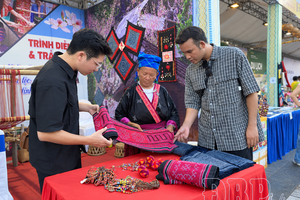
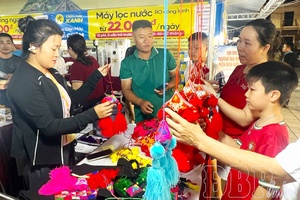
Every March, the Ban Flower Festival honors the iconic blossom of the Northwest, serving as a cultural rendezvous where traditional values are celebrated and shared. The festive space is a vibrant tapestry of graceful Xòe dances and the haunting melodies of the Khèn. Trần Hải Hà, the Acting Director of the Department of Culture, Sports, and Tourism, highlights that these events provide a platform to showcase folk costumes and recreate communal living spaces through traditional games and sports. By showcasing these products, traditional values are being preserved within contemporary life, gradually becoming a crucial resource for tourism growth.
.jpg)
With 19 ethnic groups living together, Điện Biên has consistently focused on restoring traditional ceremonies, such as the Gầu Tào festival of the Mông, the Tra Hạt festival of the Khơ Mú, and the Xên Bản rituals of the Thái people. Beyond merely reviving these rites, local authorities have worked to refine customs to be more civilized and economical. Many areas now integrate cultural demonstrations, such as traditional cooking and musical performances, into local festivals and the Great National Solidarity Day. This allows residents to directly participate in and propagate their own ethnic identities.
Preserving and promoting culture is a process of honoring the past while breathing new life into it through modern applications. In Điện Biên, this preservation is now inextricably linked to tourism development. This approach creates a powerful momentum for local socio-economic progress and improves the quality of life, particularly in remote areas. The image of a tradition-rich and hospitable Điện Biên is increasingly resonating with both domestic and international friends, ensuring that the province’s cultural heritage remains a living, thriving asset.
Quang Long
.jpg)
.jpg)
.jpg)
.jpg)
.jpg)
.jpg)
.jpg)
.jpg)
.jpg)
.jpg)
You have 500/500 characters left
Please enter 5 or more characters!!!